Adherent Cells
Cells that require attachment to a surface for growth, forming a monolayer.
Aneuploidy
Abnormal number of chromosomes in a cell, common in cancer cell lines.
Antibiotics
Substances added to media to prevent bacterial contamination (e.g., Penicillin-Streptomycin).
Aseptic Technique
Practices to prevent microbial contamination during cell culture procedures.
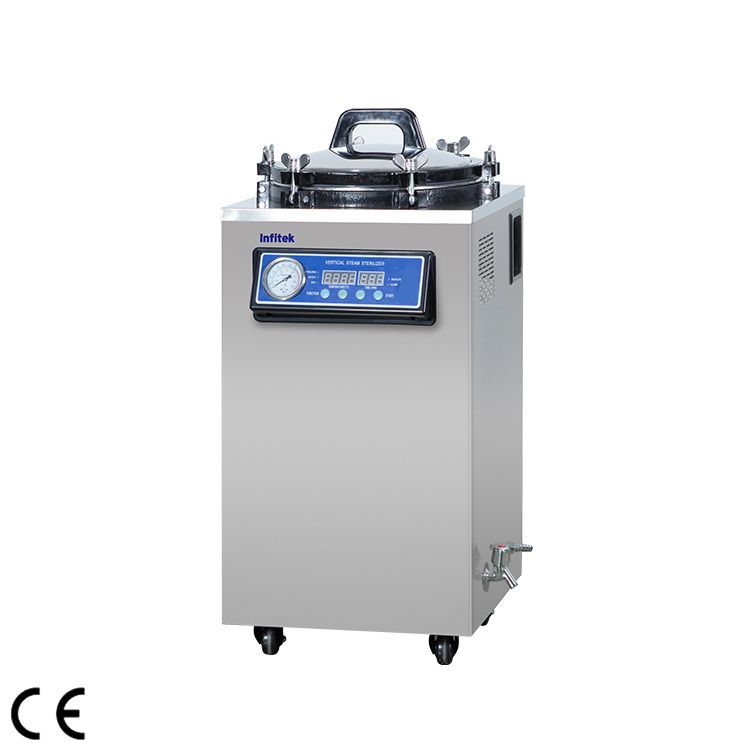
Autoclave
Device using steam under pressure to sterilize equipment and media (121°C, 15 psi).
Basal Medium
Nutrient solution containing salts, amino acids, vitamins, and glucose for cell growth.
Biosafety Cabinet
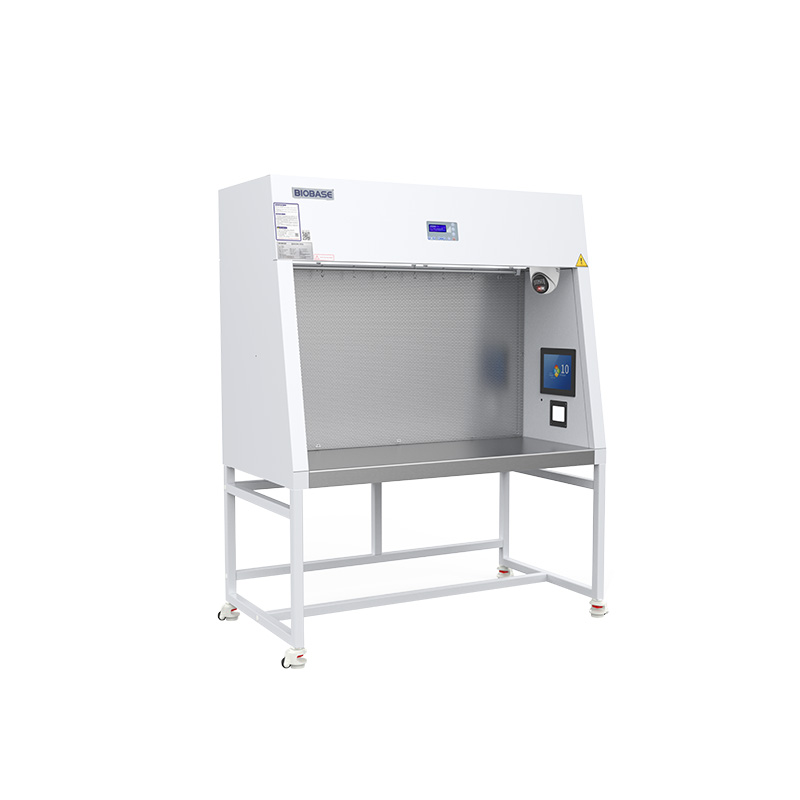
Enclosed workspace with HEPA filtration for safe handling of biological materials.
BSL (Biosafety Level)
Classification of laboratory containment levels (BSL-1 to BSL-4) based on agent risk.
Cell Line
A permanently established cell culture that can proliferate indefinitely in vitro.
Cell Strain
A cell line with specific properties selected through cloning or other methods.
CO₂ Incubator
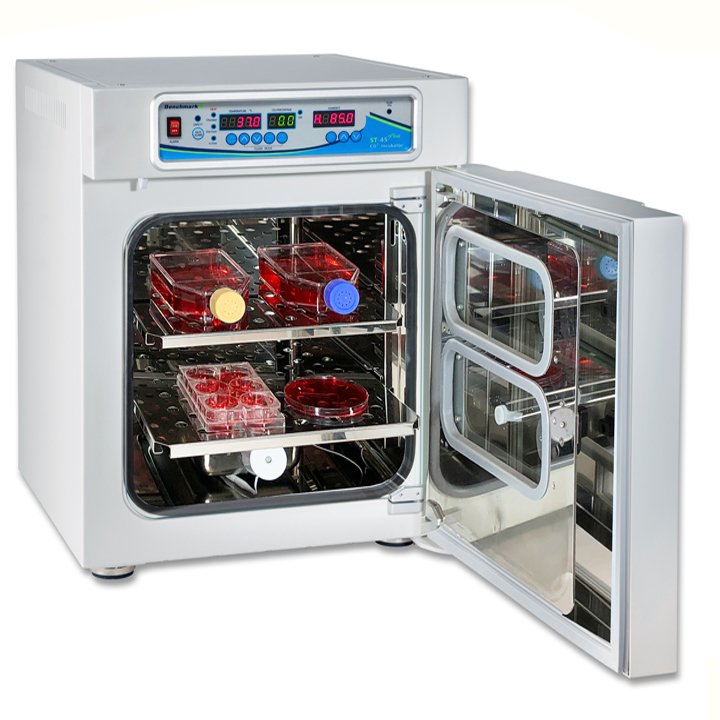
Controlled environment chamber maintaining 37°C, 5% CO₂, and high humidity.
Confluence
The percentage of the culture surface covered by adherent cells.
Contact Inhibition
Cessation of cell division when cells reach high density and touch each other.
Cryoprotectant
Agent (e.g., DMSO, glycerol) that prevents ice crystal formation during freezing.
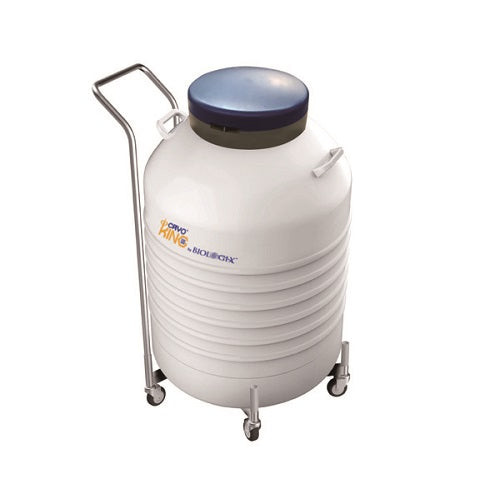
Cryopreservation
Preservation of cells at ultra-low temperatures (-196°C) using cryoprotectants.
Density-Dependent Inhibition
Growth arrest when cells reach a critical density in culture.
Differentiation
Process by which cells become specialized in structure and function.
DMSO
Dimethyl sulfoxide, a common cryoprotectant used at 10% concentration.
Doubling Time
The time required for a cell population to double in number.
EDTA
Ethylenediaminetetraacetic acid, a chelating agent used with trypsin to detach cells.
Explant
A piece of tissue removed from an organism and placed in culture.
FBS (Fetal Bovine Serum)
Supplement added to basal medium providing growth factors and hormones.
Fibroblast
Spindle-shaped cells that produce extracellular matrix and collagen.
Freeze-Thaw Cycle
Process of freezing and thawing cells, which can affect viability.
HEPA Filter
High-Efficiency Particulate Air filter that removes 99.97% of airborne particles.
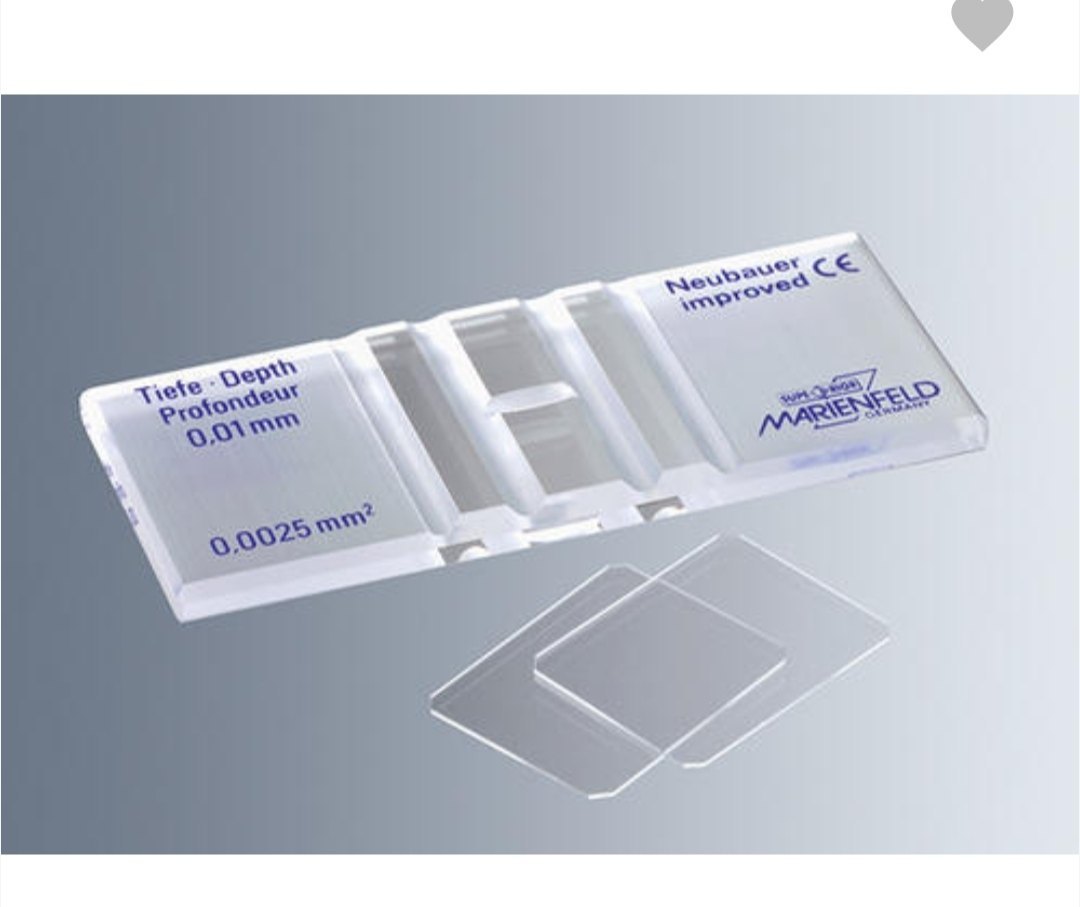
Hemocytometer
A counting chamber used to determine cell concentration in a sample.
Hypoxia
Condition of low oxygen concentration, relevant for certain cell types.
Immortalized Cells
Cells that have been modified to proliferate indefinitely without senescence.
In Vitro
Biological processes performed outside a living organism, typically in culture vessels.
Inoculum
The initial cells or material introduced into a culture vessel.
Laminar Flow Hood
Enclosure that directs filtered air to create a sterile working environment.
Lag Phase
Initial growth phase where cells adapt to new culture conditions with minimal division.
Log Phase
Exponential growth phase where cells divide at a constant rate.
Mycoplasma
A common cell culture contaminant that lacks a cell wall and is difficult to detect.
Master Cell Bank
A defined quantity of cells stored to ensure consistency for future use.
Monolayer
A single layer of adherent cells growing on a culture surface.
Passage Number
The number of times a cell culture has been subcultured since isolation.
Phenol Red
pH indicator dye in media (pink at pH 7.4, yellow when acidic).
Primary Cells
Cells isolated directly from tissue with finite lifespan in culture.
Proliferation
The process of cell growth and division resulting in increased cell numbers.
Seeding Density
The number of cells plated per unit area at the start of culture.
Senescence
State of irreversible growth arrest that occurs in primary cells after many divisions.
Serum-Free Media
Chemically defined media without animal serum, used for specialized applications.
Stationary Phase
Growth phase where cell division stops due to nutrient depletion or contact inhibition.
Subculture (Passage)
The process of transferring cells from one vessel to another to maintain growth.
Suspension Cells
Cells that grow floating in culture medium without attaching to a surface.
Trypsin
Proteolytic enzyme used to detach adherent cells from culture vessels.
Trypsinization
Treatment with trypsin enzyme to detach adherent cells from culture vessels.
Trypan Blue
Dye used to assess cell viability; dead cells take up the dye and appear blue.
Viability
The percentage of living cells in a population, typically assessed using dyes.
Viral Contamination
Presence of viruses in cell culture, often detected by PCR or observation.